
Bioprospecting and Chemical Potential of Bioactive Compounds of Medicinal Plants of the Baduy Tribe of Banten Province
Article Sidebar
Main Article Content
Abstract
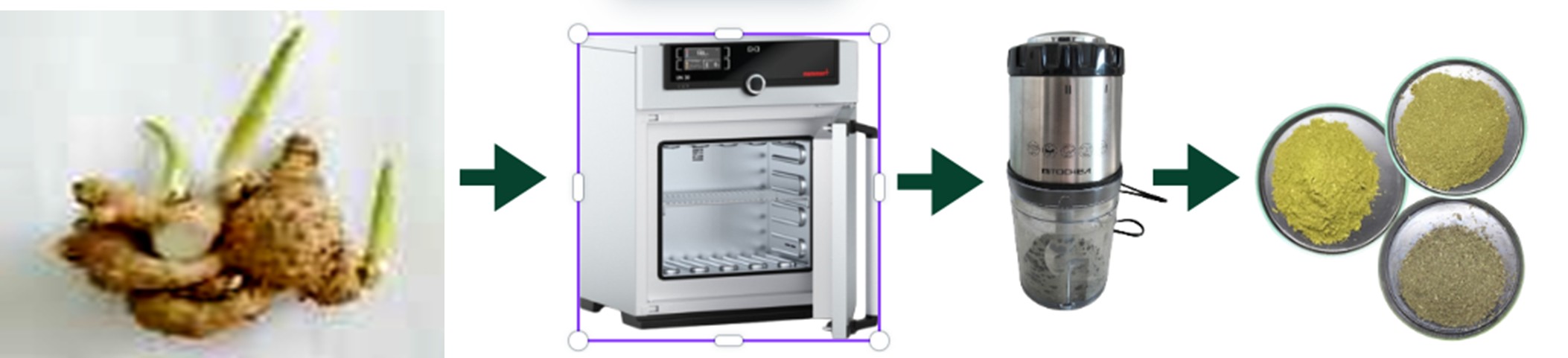
Bioprospecting is the exploration, collection, research, and utilization of genetic and biological resources to obtain chemical compounds, genes, organisms, and other natural products. Bioprospection of medicinal plants is an exploration activity to have added value from both a scientific and an economic perspective. Indonesia is one of the archipelago countries that has the potential for cultivating various plants. The objective of this research was to find bioactive compounds from plants in Baduy and the chemical potential of bioactive compounds as drugs. White Ginger (Curcuma zedoria Rosc) is included in the family of medicinal plants (TOGA) is a plant in the family Zingiberaceae. This plant is widely found in Baduy. The method used in this research is descriptive qualitative, by describing the quality of bioactive compounds contained in traditional medicinal plants in the Baduy tribe. The research results showed that the yields obtained from the extraction using 70% ethanol solvent, water, and steeping water of white rhizome powder were 24.51%, 9.65%, and 12.22%, respectively. 70% ethanol medicinal plant extract and hot water at a concentration of 300 ppm did not have an inhibitory power on the activity of the enzyme tyrosine kinase, while the crude extract of 300 ppm aquadest had an inhibitory power of 7.23%. At a higher extract concentration, which is 700 ppm, 70% ethanol extract has the highest inhibitory power of 27.77%. The inhibition power of 700 ppm aqueous extract is 26.13% and 700 ppm hot water extract is 24.50%.
Downloads
Article Details

This work is licensed under a Creative Commons Attribution 4.0 International License.
Copyright and Licensing
For all articles published in Fullerene Journal of Chemistry, Authors retain some copyright and grant the journal right of first publication with the work simultaneously licensed under a Creative Commons Attribution 4.0 International (CC BY 4.0) that allows others to share the work with an acknowledgment of the work's authorship and initial publication in this journal. Authors are able to enter into separate, additional contractual arrangements for the non-exclusive distribution of the journal's published version of the work (e.g., post it to an institutional repository or publish it in a book), with an acknowledgment of its initial publication in this journal. Authors are permitted and encouraged to post their work online (e.g., in institutional repositories or on their website) prior to and during the submission process, as it can lead to productive exchanges, as well as earlier and greater citation of published work. In addition, the article may be reused and quoted provided that the original published version is cited. These conditions allow for maximum use and exposure of the work while ensuring the authors receive proper credit.
Authors are free to:
- Share - copy and redistribute the material in any medium or format
- Adapt - remix, transform, and build upon the material for any purpose, even commercially.
Under the following terms:
- Attribution - You must give appropriate credit, provide a link to the license, and indicate if changes were made. You may do so in any reasonable manner, but not in any way that suggests the licensor endorses you or your use.
- No additional restrictions - You may not apply legal terms or technological measures that legally restrict others from doing anything the license permits.
Notices: You do not have to comply with the license for elements of the material in the public domain or where your use is permitted by an applicable exception or limitation. No warranties are given. The license may not give you all of the permissions necessary for your intended use. For example, other rights such as publicity, privacy, or moral rights may limit how you use the material.